Open
Weights
Valuable model artifacts, released with the records needed to understand what produced them.
About the project
OpenWALDO brings community, training data, tools, model building, governance, and provenance into one public project people can inspect, improve, extend, and build upon.
Weights are executable artifacts, not a complete account of how a model came to exist. Without named sources, asserted licenses, exact object identity, and training records, “open” stops at distribution.
WALDO makes training material behave more like open-source input: named, reviewable, versioned, attributable, content-addressed, and usable without trusting a central data service. The public index is the map. Federated lookaside storage serves the canonical bytes. BOMs carry the resolved evidence into exports and model releases.
What’s missing isn’t another trust pledge. It’s an inspectable source of data and a toolchain that keeps the evidence attached.
This is what makes OpenWALDO the first open-source AI project and community: people do not merely gather around a release; they participate across the project. Anyone can contribute and audit data, improve and test tools, validate model compositions, verify reproducibility, extend models, and take part in stewardship. No single company owns the shared corpus or receives exclusive access to it. WALDO records attributable facts and the limits of what it verified—it does not turn a hash into a legal or safety conclusion.
The name is the architecture
WALDO names the parts of AI that should remain open, inspectable, and connected from source material through model release.
Valuable model artifacts, released with the records needed to understand what produced them.
Shards, manifests, recipes, tokenizers, and other inputs identified by content and independently verifiable.
Attributable license assertions remain visible, reviewable, and usable when assembling a corpus.
The source material itself: openly indexed, reproducible, and available through federated storage.
Provenance, acquisition records, and DCO attestations preserve accountability from contribution through release.
Why WALDO. Why now.
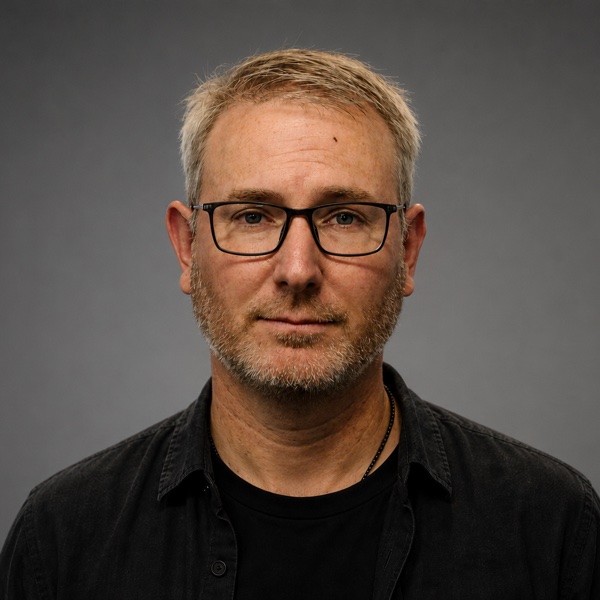
OpenWALDO was founded by Gregory M. Kurtzer after two and a half decades of building open-source projects and communities. The lesson behind it is simple: foundational infrastructure becomes stronger when the people who depend on it can inspect it, improve it, and collaborate together.
“For decades, open source has shown that transparency and community can transform shared challenges into world-changing infrastructure. It turns users into builders, competitors into collaborators, and individual efforts into progress at massive scale. OpenWALDO brings that proven model to AI: a foundation we can inspect, improve, and build upon together.”
Today, companies building AI do not have a common, community-maintained training foundation where people and organizations can continuously contribute, review, correct, and expand the work together. OpenWALDO creates that shared foundation: a living public corpus and toolchain that every contribution can strengthen, every participant can leverage, and the entire ecosystem can build upon.
Read the origin story ↗Project stewardship
CIQ contributes engineering, infrastructure, and operational support to help OpenWALDO grow. The project is developed in public as a shared community foundation: contributions are reviewed openly, and sponsorship does not provide exclusive access to the corpus.